
ARSolution prepares acoustic impact assessments and technical reports required for the opening, modification or expansion of commercial and industrial activities. In Italy, acoustic impact assessments are required under Article 8 of Law No. 447/1995 for activities that may generate noise and affect the surrounding environment.
Acoustic Impact Reports for Commercial and Industrial Activities
Typical applications include:
• Bars, pubs, restaurants, entertainment venues and nightclubs
• Hotels, hospitality facilities (agritourisms) and residential developments
• Sports and recreational facilities
• Industrial activities
• Shopping centres and retail premises
Our assessments are carried out by qualified acoustic technicians using Class 1 sound level meters and professional measurement equipment (sound level meters, calibrators, omnidirectional and directional sound sources, tapping machine), regularly calibrated and certified in accordance with applicable standards.
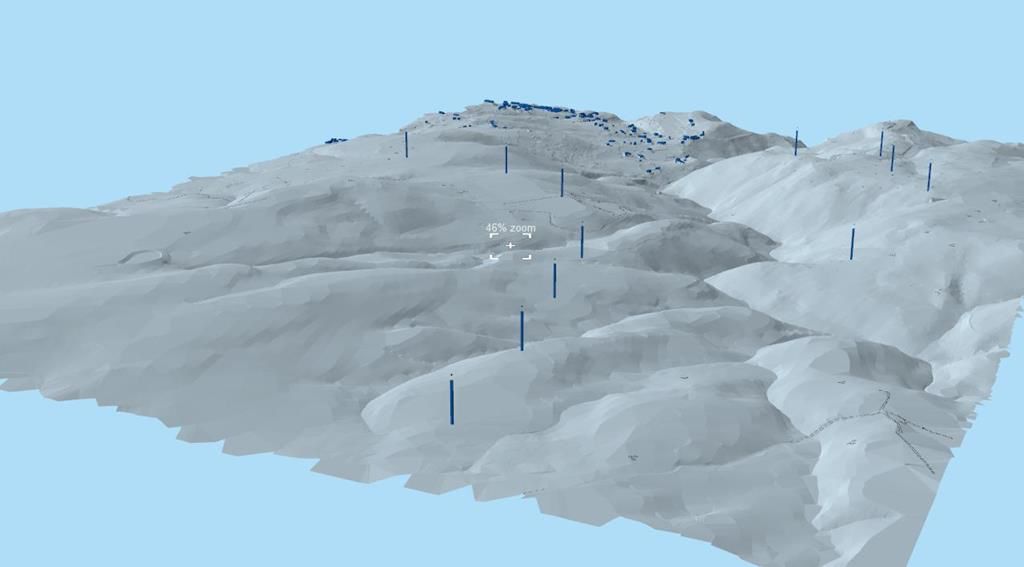
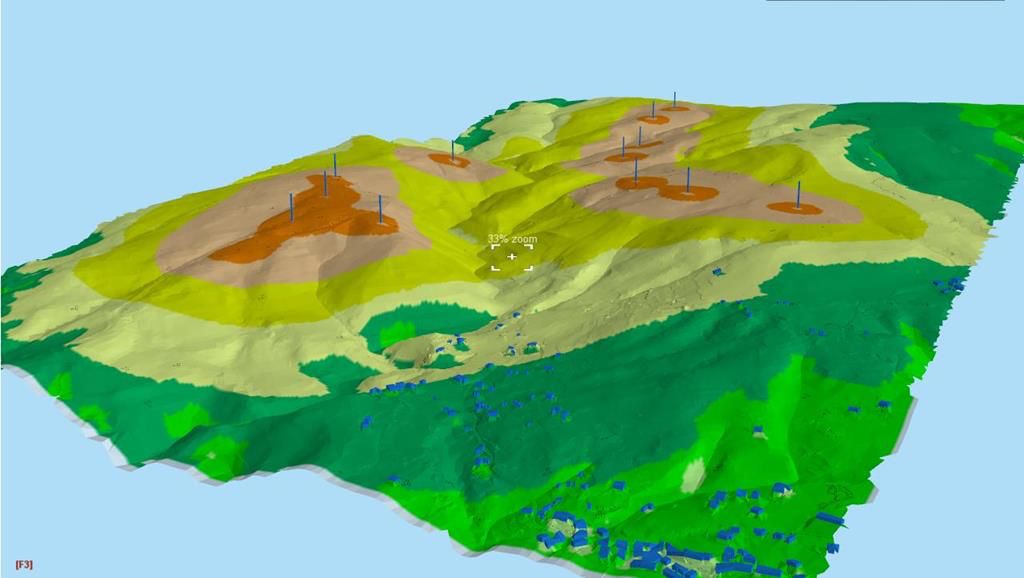
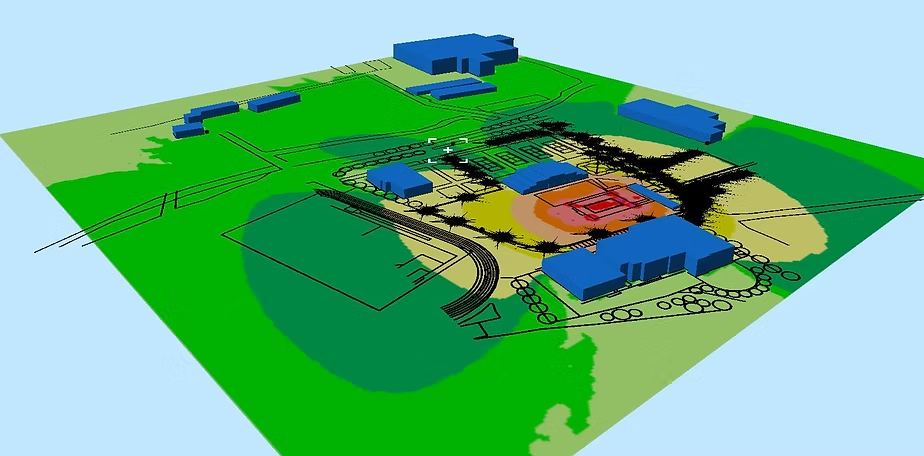
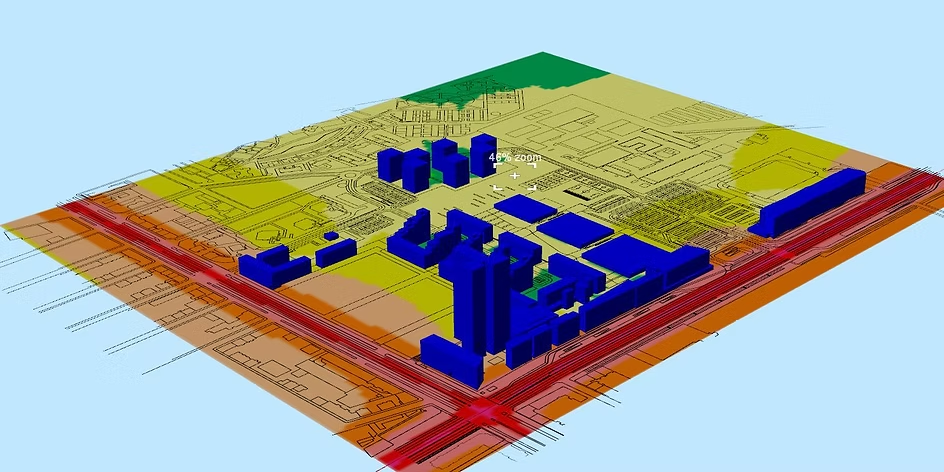
Predictive Environmental Noise & Impact Assessment
To prepare a predictive acoustic impact assessment, SOUND LEVEL MEASUREMENTS ARE ESSENTIAL during both daytime and night-time periods (where noise sources operate after 10:00 p.m.).
Taking into account any proposed mitigation measures, specific acoustic modelling methods are applied to simulate sound propagation and calculate noise emission and immission levels at the identified receptors.
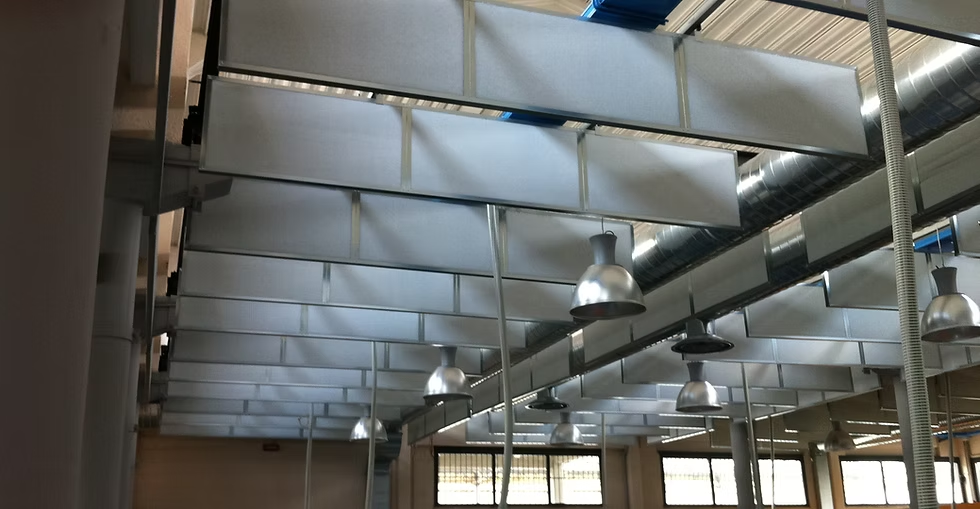
Acoustic impact assessment applied to an existing situation
For existing activities or potentially operating noise sources, sound level measurements, carried out in accordance with the Italian Ministerial Decree of 16 March 1998, may be performed as follows:
Outdoor Noise Assessment
To carry out an outdoor acoustic impact assessment, measurements must be taken in the vicinity of potentially affected receptors, in order to verify compliance with the differential immission limit value and with the absolute emission and immission limits established by the municipal acoustic zoning plan (or with the acceptability limits established by Article 6 of the Prime Ministerial Decree of 1 March 1991, where such classification is not available).
Indoor Noise Assessment
Noise measurements in residential environments, aimed at verifying compliance with the differential immission limit value, are carried out by positioning the microphone 1.5 metres above the floor and at least one metre away from reflective surfaces, with the windows open.
Technical report
The sound level measurements carried out will be documented in a technical report containing the following information:
- location, time and date of the measurements;
- description of the meteorological conditions;
- description of the measurement site;
- measurement duration and reference period (daytime or night-time);
- acoustic zoning classification of the measurement location;
- instrumentation used, accuracy class and date of the latest calibration;
- time history of sound levels and equivalent continuous sound pressure level (LAeq);
- frequency spectrum plots of the minimum linear sound levels for each measurement;
- verification of the presence of any impulsive, tonal or partial-time components;
- final assessment.