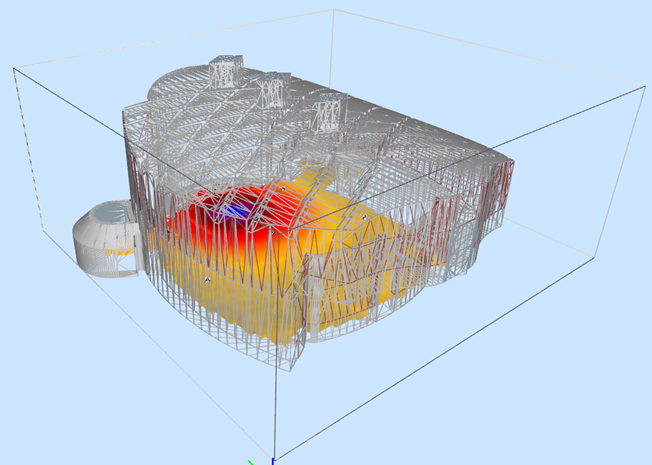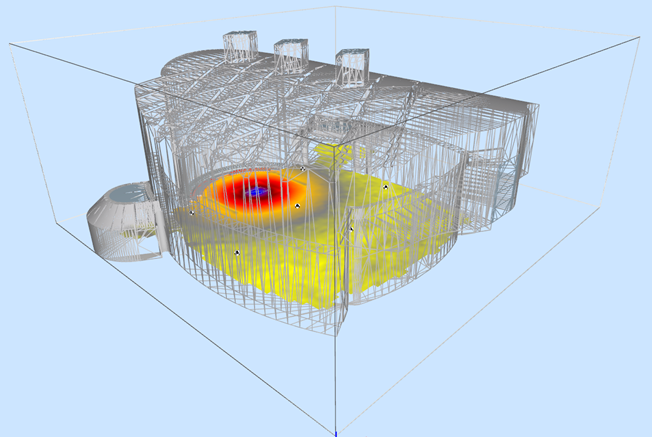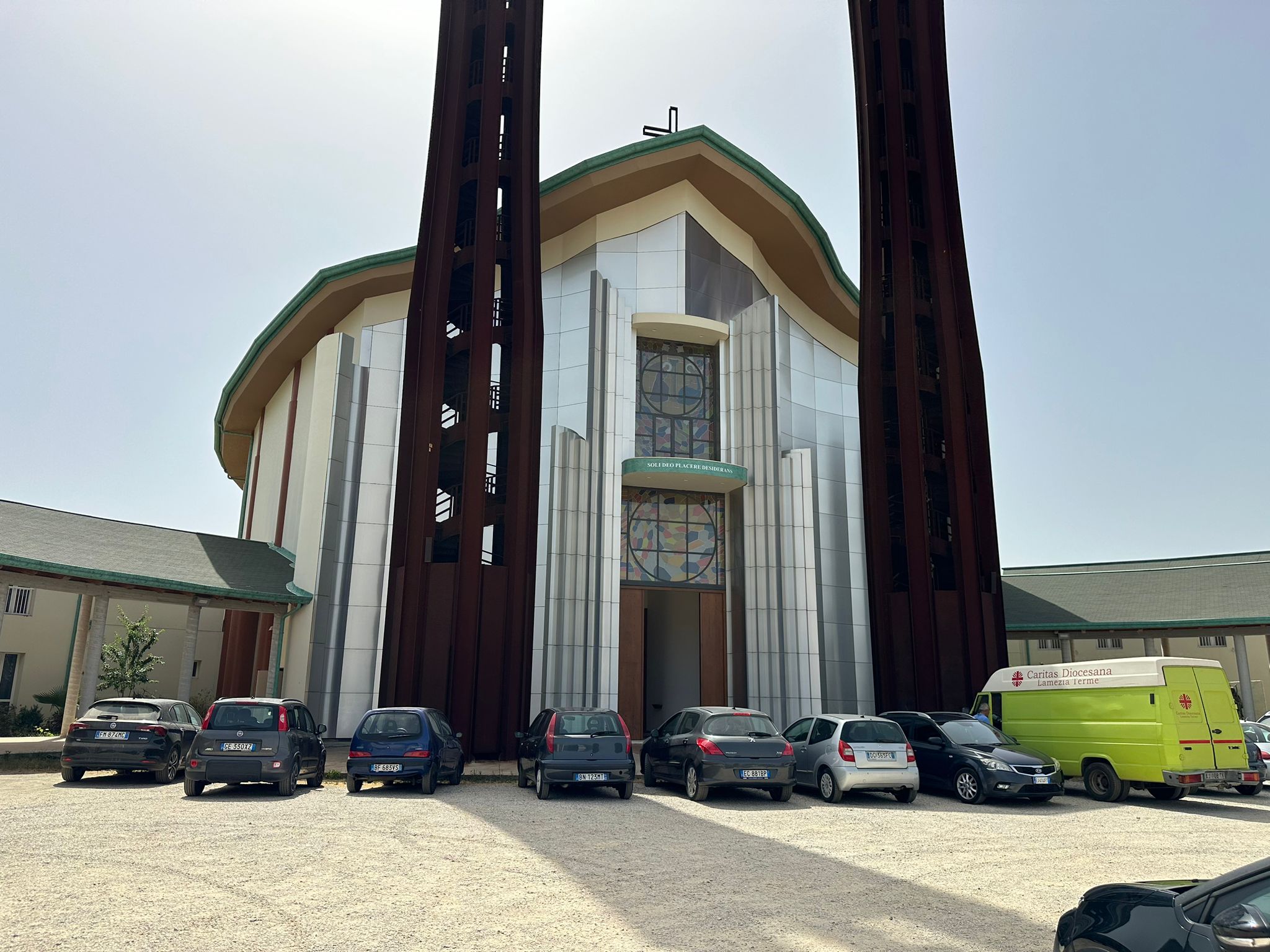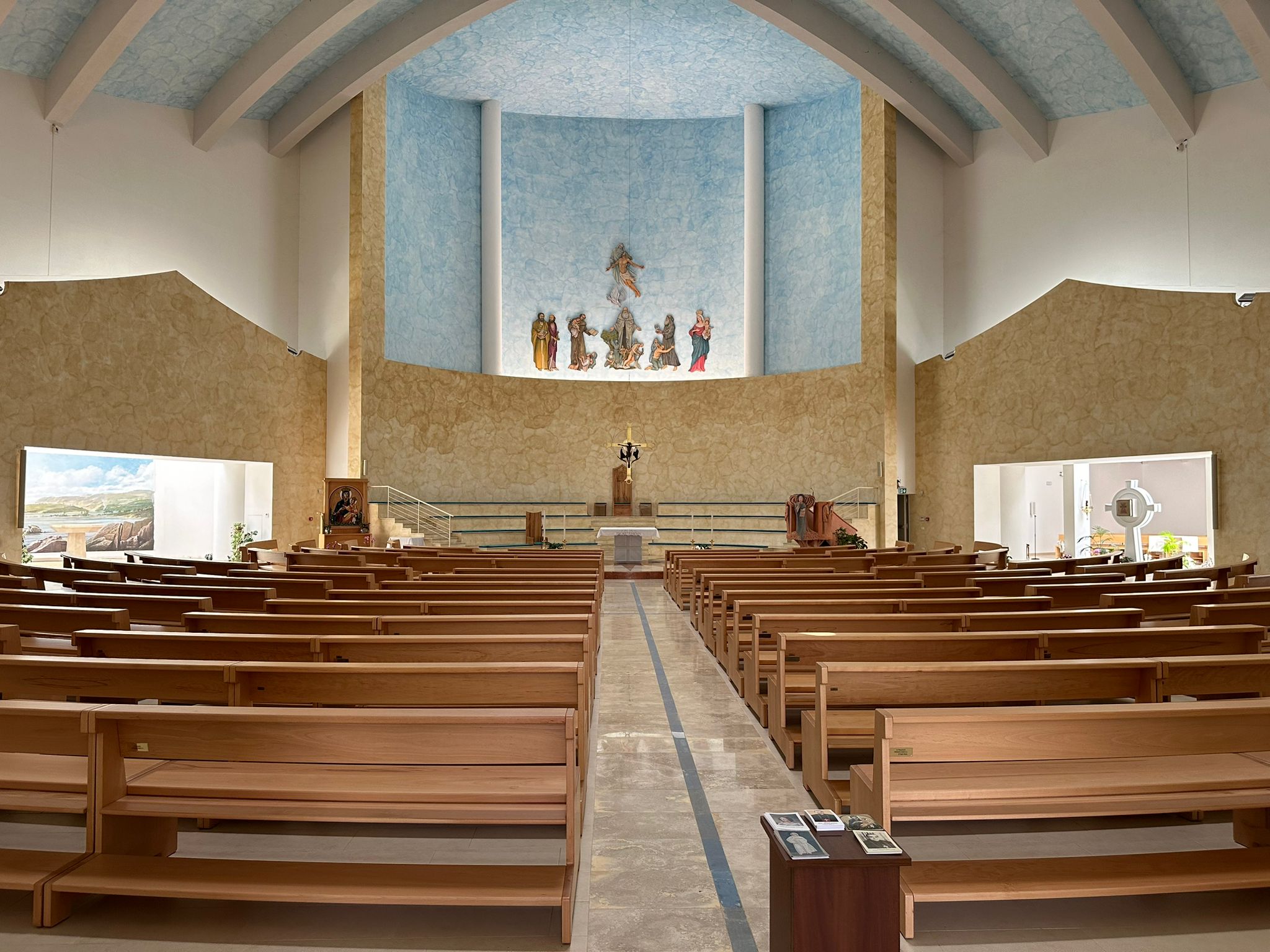
ARSolution offers a single point of contact for the design and implementation of audio, video and lighting systems and Wi-Fi networks, thanks to its many years of expertise in artistic productions and technical supply services.

Our designs are prepared to be handed over to whoever coordinates the work, from private clients to architectural firms working for large commissioning bodies. The goal is to allow installers to consult the project easily and focus on selecting the best products, which are also recommended in the technical specifications.

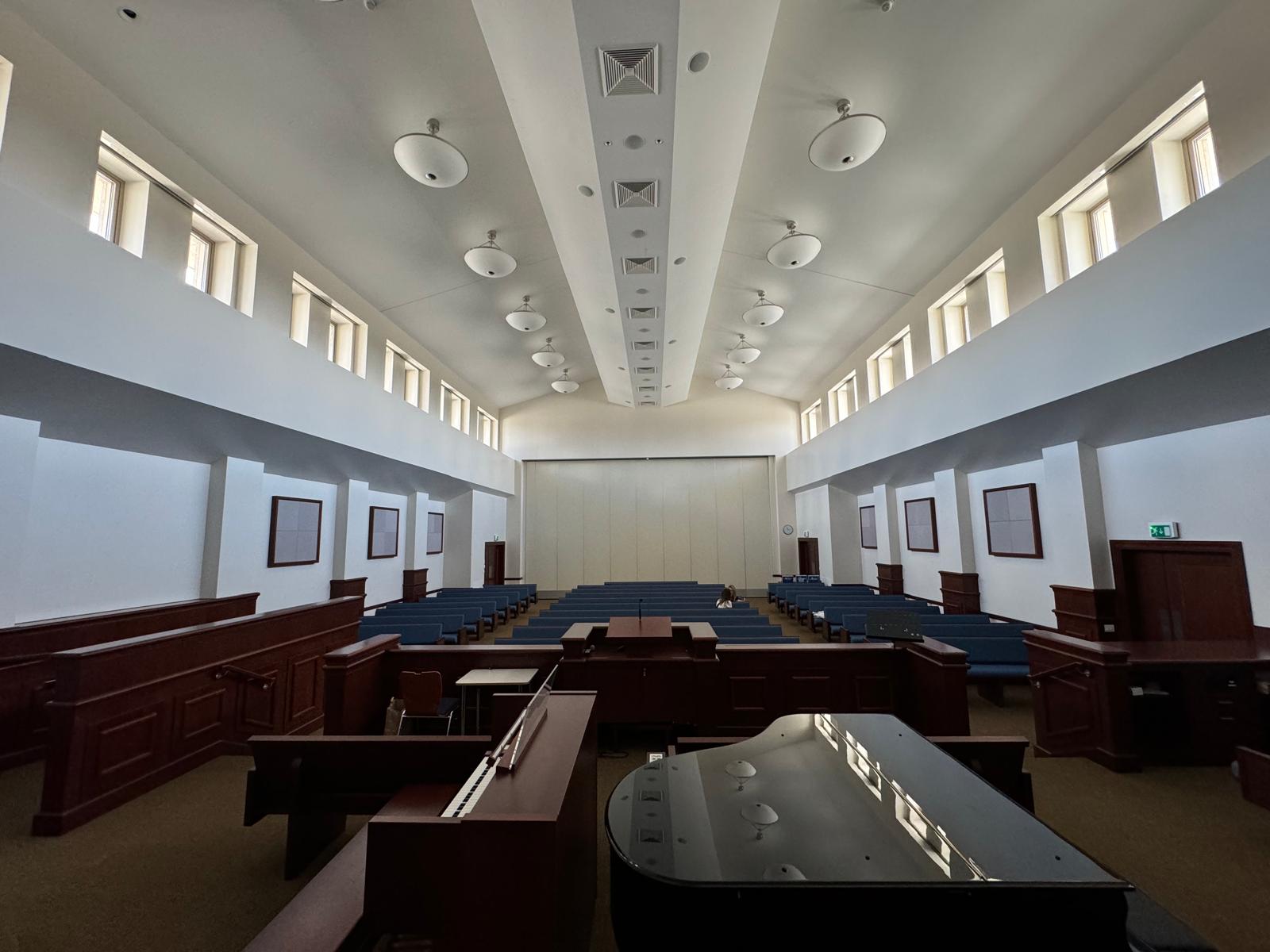
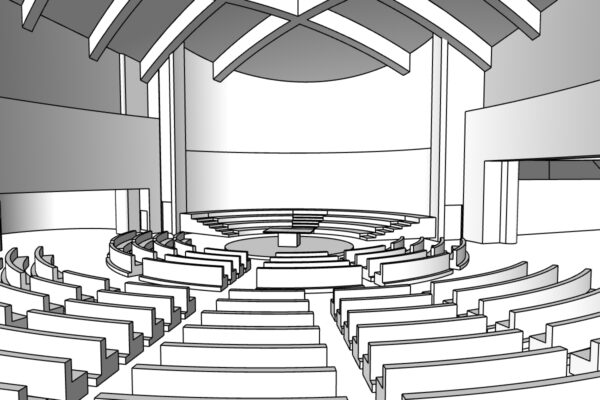
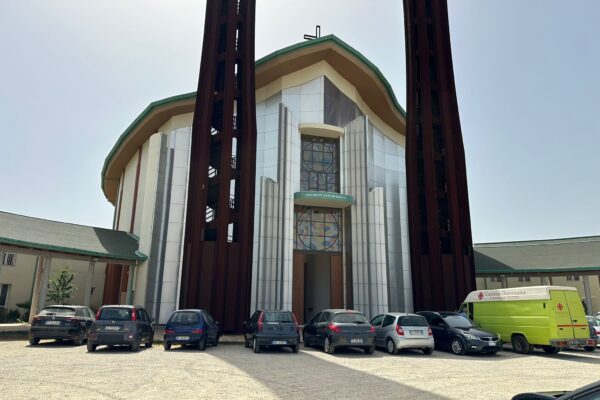
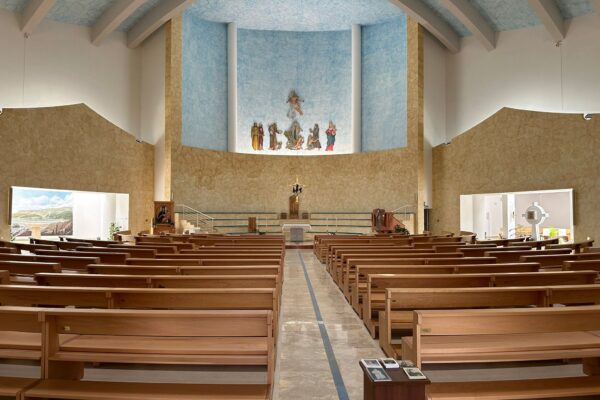
Now, imagine watching a football match in a church, or a concert by an internationally famous band in the bar where you have breakfast every morning. Aside from the irreverence and oddity of these two images, what would make you wrinkle your nose is a lack of credibility. This is because equipment suitable for a pub or a bar cannot meet the requirements of a church, a nightclub or a theatre. A careful selection is needed, with a considered choice of the type of equipment to be used according to the context and intended use. And of course the budget too — but allow us to surprise you on that front as well.

Multi-room

Management of audio, video and lighting across several rooms in a home or a multimedia space, with independent volume and source control.

Hotels/B&Bs

Advanced management of audio, video, lighting and differentiated content for each individual room, with the option of overall control.

Venues and nightclubs

Complete, highly efficient systems for any type of use, in keeping with the interior design and the artistic operations of the venue.

Our designs are intended for the use of high-quality products, so as to guarantee the highest standards in terms of audio and video quality.

When designing Wi-Fi networks we pay attention to the aesthetics of the interior design and to the ever more important need for stable, fast internet connections. In certain contexts in particular, it is essential that devices integrate perfectly into the environment in which they are installed, becoming true design elements, with recessed and concealed solutions customised for every requirement.

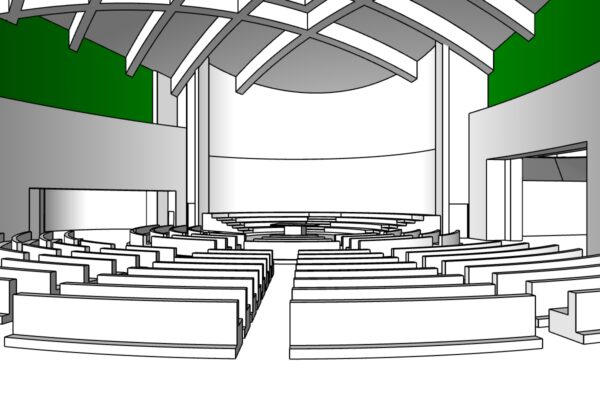
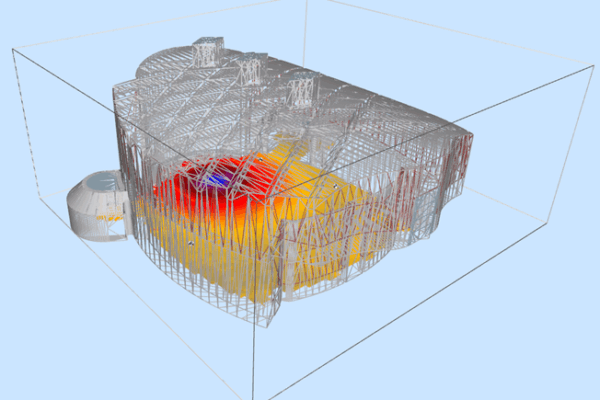
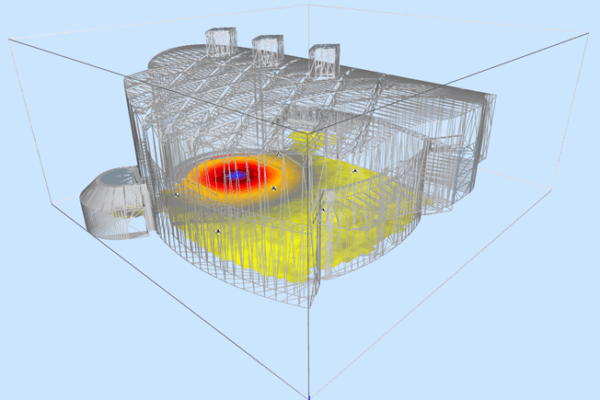
Specifying a system always begins with a direct inspection of the site or a review of the floor plans and sections of the spaces. Alongside this analysis, a detailed list of the end user’s requirements is drawn up — for example, whether the audio system will be used solely for speech or also to play background music, or whether the video system will be used for corporate presentations or video projections.

Next we consider the sources, such as microphones, computers or media players, and whether they will be located in a single point or distributed across several locations.

It is also important to understand whether the systems should be divided into several zones, each able to distribute a different programme, and whether these zones will be controlled from a central station or remotely.

The more detailed the information available or obtainable, the more accurate and defined the system design can be: for example, speakers near a microphone can be excluded when it is active, thus avoiding feedback problems, or local volume controllers can be introduced to allow staff to adjust the volume to a suitable listening level.

To plan the correct choice of components and an effective installation, further information is also required, which can be summarised as follows:

  • How the walls and ceiling are built, with which materials and in what manner
  • What type of mounting surfaces are available
  • Where and how the connecting cables can be routed
  • How many distribution zones the systems will comprise
  • How many and which content streams must be distributed simultaneously
  • Whether there are zones requiring specific or different settings
  • From how many and which points the content is output
  • Whether pre-recorded spots, messages or announcements will be broadcast
  • Whether the equipment to be installed must be positioned in spaces with architectural constraints

Once all this has been determined, we move on to the actual system design, drawing the installation schematics for the necessary equipment.